Luxury Car Wars!
A bill to ban Chinese cars from America could snare Mercedes

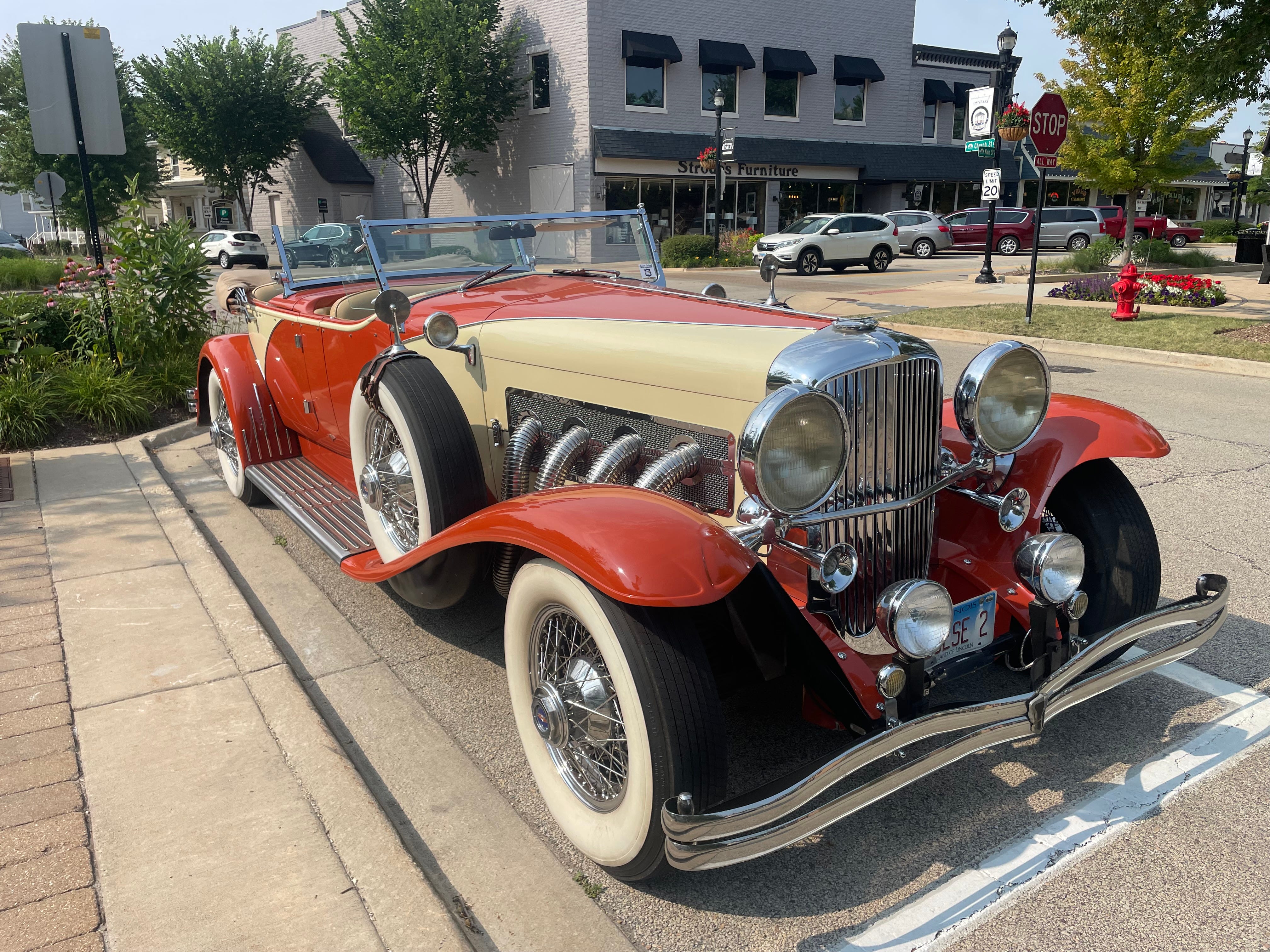
Greetings from Motown!
Just time for a fast roundup of the news after a road trip this weekend down Interstate 94 between Detroit and Chicago. There’s no romance of the road on that stretch of highway. Just convoys of semis, endless traffic jams and nutty Chicago drivers trying to get ahead by cutting you off.
The World of Cars has seen some aggressive action this week, as well. We’ll get into how a bill to keep Chinese cars out of America has provoked a knife fight between GM and Mercedes. Plus, German automakers are ordering more job cuts and Ford shows how to make more by selling less.
And away we go!
Mercedes v. GM
A Senate bill aimed at keeping Chinese automobiles and their data-gathering sensors off U.S. roads could have the intended side effect of running Mercedes-Benz out of the U.S. market, to the benefit of General Motors’ Cadillac brand and other luxury market rivals.
The Connected Vehicle Security Act would bar the sale of vehicles by “a joint venture, subsidiary, or other entity in which more than 15 percent of the equity interest, voting interest, board representation, or other indicia of control, whether directly or indirectly, is owned or controlled by an entity, or combination of entities, organized under the laws of, or with its principal place of business in, a covered country.”
Translated, any automaker with more than 15% Chinese ownership would be barred from the U.S. market after Jan. 1, 2027.
This language means that Mercedes-Benz, which is nearly 20% owned by Chinese interests, could face expulsion from the U.S. market in five months. Or not.
Senate Commerce Committe Chair Ted Cruz told Reuters that General Motors had backed the 15% threshold to boost its Cadillac brand.
GM said its support for the bill wasn’t aimed at any specific rival.
GM CEO Mary Barra has a lot to gain from Trump administration policies that blunt competition from overseas rivals and ease the regulatory burden on GM’s U.S. truck fleet.
Barra and GM President Mark Reuss hosted Trump at the company’s Milford, Mich. proving grounds on Monday, where the President headlined a political rally for GOP candidates.
Cruz and other Senators say they have no intention of barring Mercedes from the U.S. market. The bill appears to give automakers until 2030 to comply with Chinese ownership and tech content limits.
Mercedes has one of its largest factories in the deeply Republican state of Alabama, a U.S. head office in Atlanta, hundreds of dealers and suppliers and a sizable customer base among some of the most affluent people in America. Some of those Mercedes drivers are Republican donors.
Mercedes CEO Ola Kaellenius told investors during his Q2 results call on Tuesday that the company is monitoring the U.S. legislation closely and “if we need to make adjustments to comply with anything, we will make sure that we protect our presence and our business in the U.S.”
The Chinese shareholders, who include Geely Chair Li Shufu, would have every reason to work with Mercedes’ board to avoid the company losing access to one of its most important and profitable markets.
In the end, this may be a lot of sound and fury that results in no significant change. But it is a striking illustration of how Darwinian things have become in the global auto market as Western automakers confront the dual shocks of colllapsing sales in China and waves of Chinese vehicles landing in their home markets.
Germany’s shrinking auto industry
BMW and Porsche are taking advantage of the cover created by Volkswagen CEO Oliver Blume’s plans to cut 100,000 jobs to roll out proposed staff cuts of their own.
Porsche outlined plans to cut one in five jobs in its current workforce. BMW said it plans to cut 8,000 jobs in Germany.
Mercedes has warned of job reductions and on Tuesday cut its vehicle sales and revenue outlook for the year, blaming “the continued challenging market environment in China.”
Ford’s better idea: Sell less, earn more
Ford CEO Jim Farley gave investors something to cheer about on Tuesday, boosting the automaker’s full year profit forecast thanks to stronger pricing and faster-than-expected recovery from the U.S. government of duties paid under Trump’s now-invalidated IEEPA tariffs.
Like rival GM, Ford is earning more even as it sells fewer vehicles and accepts declining revenue. Dumping electric vehicles and selling more petrol-fueled SUVs and pickup trucks has been a tonic for the Motor City Two, as well as the U.S. operations of Stellantis.
Here’s a look at the new math for Ford:
In Q2, 2025, Ford Blue, the consumer combustion vehicle operation, had revenue per vehicle of $37,068 and pre-tax profit per vehicle of $1,005. In Q2 2026, total Ford Blue revenues fell by 1% and unit sales dropped. But Ford Blue revenue per vehicle was $40,845 and profit per vehicle rose 71% to $1,721.
Off-road vehicles, such as the Bronco SUV lineup, accounted for 25% of Ford’s U.S. sales. (Ford’s Q2 presentation deck is here.)
Ford still lost $900 million in Q2 2026 selling electric vehicles (mainly the Mustang Mach-E) but that was a $400 million improvement from year ago.
Ford would be doing even better if Novelis, its main supplier for the aluminum used to build F-series trucks, hadn’t been struggling with the aftermath of fires at a mill in New York. Ford projected the costs of the aluminum supply disruption at $1.5 billion for the year.
For all the hand-wringing about affordability and rising vehicle prices, Ford, GM and Stellantis are motoring along by focusing on selling feature-packed trucks to affluent Americans.
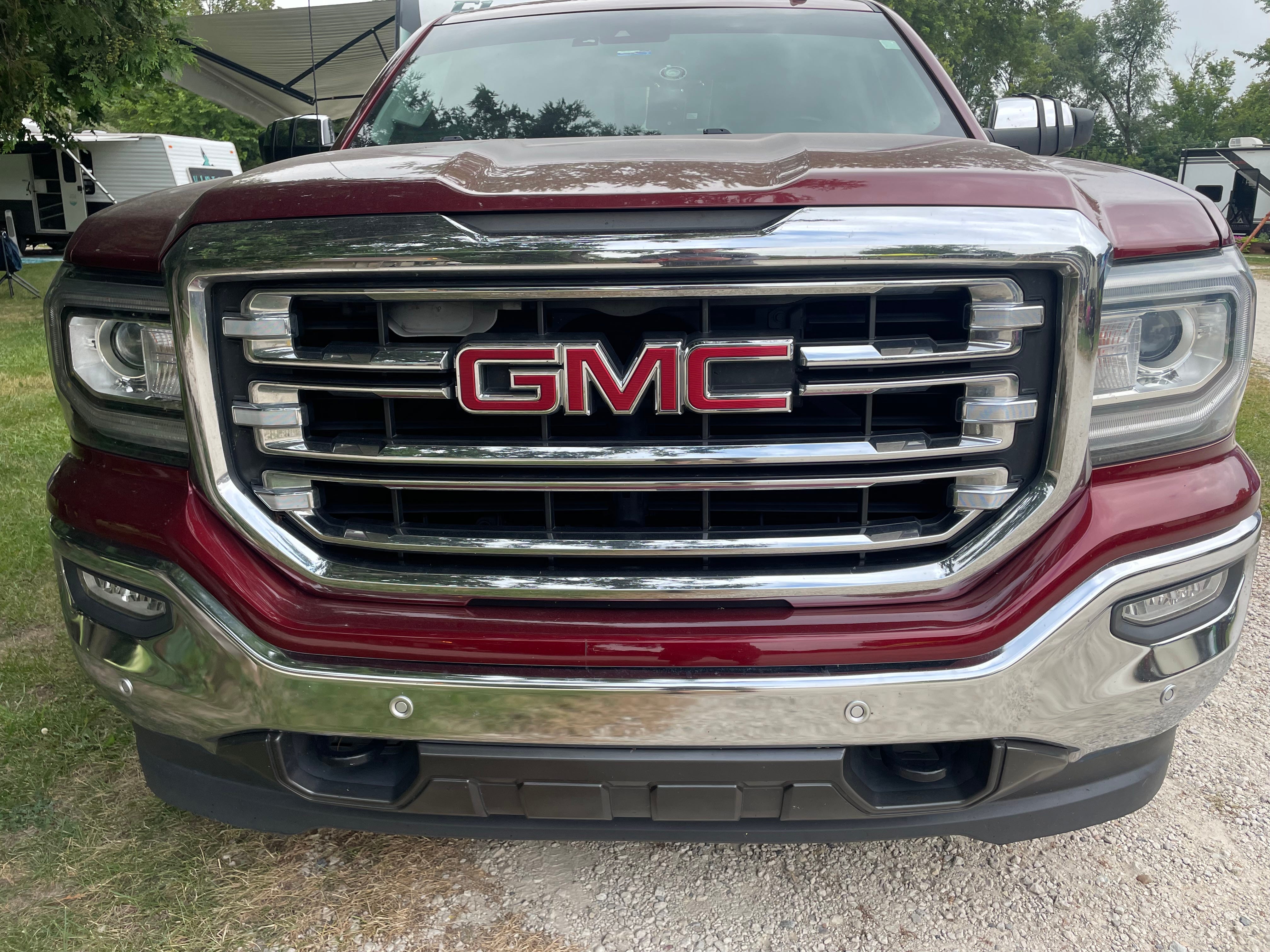
Who are these affluent Americans? Don’t look for them in the Hamptons. Instead, go to a KOA campground, state park or national park and marvel at the massive, chrome-jeweled Ford, Chevy and GMC heavy duty trucks purchased to tow house-sized trailers. This is a luxury market segment the Detroit truck brands own, and no Chinese automaker will invade.
Lightning laps
Tesla paid $1.95 billion for an unnamed AI hardware company, Electrek reported after scouring the company’s 10-Q.
China’s dominance of production of rare earth minerals widely used by the defense, auto and other U.S. industries is so iron-clad that the Trump administration will likely have to abandon its goal of blocking Chinese imports by January, Reuters reported.
CATL, the Chinese EV battery superpower, boosted quarterly profits by 35% in part because of a booming energy storage business.
Cheap cars are out of fashion in India, where younger buyers want something more than the stripped-down Suzukis their parents owned.
Penske Automotive Group’s majority shareholders have proposed taking the auto dealership chain private at $210 a share for the 27% of shares in public hands. PAG’s shares were trading at $220 on Wednesday morning, despite analysts cautioning that there is no likely rival offer.
GM is considering building sedans again for the U.S. market, Automotive News reports.
Geely and Ford plan to build Geely brand vehicles for Europe at a former Ford plant in Spain. Ford unloads a factory that it doesn’t need. Geely gets a European production base to sidestep tariffs. Incumbent European automakers get another headache.
Trump’s tariffs are costing the U.S. auto industry in more than money, the Center for Automotive Research outlines in a new report. The instantaneous (and rapidly changing) duties are stressing automakers and especially suppliers weakened by the COVID pandemic and waves of subsequent supply chain disruptions. Capital that could be invested in talent or new technology is instead being consumed by spending required to dodge tariffs.
Tariffs are making it harder for suppliers and automakers to innovate and creating “structural paralysis.”
“The automotive sector is losing talent to more lucrative tech industry jobs and stalling the innovation engine required for long-term success.”
Thanks for reading! More later….